
How Casino Table Game Variants Stack up
I frequently test table game sections across UK-licensed online casinos, and the pure variety of variants can quickly obscure the real differences that impact your bankroll bacanaplaycasino.eu. Evaluating versions of blackjack, roulette, baccarat and poker-style games means ignoring the table felt colour and scrutinizing rule tweaks, house edge shifts, side bet mathematics and even the technical backbone behind each title. When I sit down at Bacanaplay Casino, I observe a collection that mirrors this broader landscape, so I will guide you through how these variants genuinely differ. This comparison encompasses everything from RNG versus live dealer pacing, the impact of a single extra zero, to how bonus wagering contributions and cashout speed should affect which table you pick.
Promotion Conditions for Table-based Games: Variant Choice Impacts Bonus Clearance
When I take a welcome offer at a UK casino like Bacanaplay, I right away review the game weighting table. Slot machines commonly count 100% toward the playthrough requirement, but table games are at a smaller portion. Blackjack games commonly provides 5% to 10%, roulette games 10% to 20%, and punto banco can drop to 0% on some offers. This variation affects which type I opt to play with bonus funds, because a low-weighting game needs ten or twenty times as much betting volume to clear the same requirement, speeding up fund reduction through the game edge.
The kind of offer also guides my choice of table. A deposit match bonus often enables blackjack at 10% weighting, meaning a £10 bet on blackjack is considered £1 towards wagering. If I am trying to fulfill £500 of playthrough, I would have to make £5,000 in bets on blackjack, producing a expected loss of around £22.50 at a 0.45% house edge. In contrast, a French roulette without restrictions play at 20% contribution and 1.35% advantage yields a expected loss of about £33.75 on the same amount of necessary wagering. I do quick math like this before deciding whether a promotion is worth pursuing on a casino table game, and Bacanaplay’s promotions page gives the relevant details.
Free spins or exclusive slot promotions clearly prohibit table game play completely. I also pay attention to betting limits, which usually limit to £5 per hand while wagering with bonus money, and limited versions, some casinos bar live tables or specific side-bet-heavy tables from counting at all. Reviewing the variant list inside the bonus T&C requires two minutes; ignoring it can invalidate a cashout. From what I have noticed, Bacanaplay publishes transparent game contributions, so I advise checking that part before funding your deposit.
Baccarat Variations: Commission-Based, Speed and Low-Stake Access
The key distinction in baccarat is among standard commission, no-commission and speed formats. Classic Punto Banco applies 5% commission on winning banker bets, so a £20 win pays £19. That commission keeps the house edge on banker at 1.06%. No-commission baccarat appears attractive but often pays on a winning banker total of six rather than paying full even money, which distorts the edge slightly upwards to about 1.46%. I always read the table rules panel first, especially on Bacanaplay where both flavours sit next to each other.
Speed Baccarat is a live dealer innovation I notice increasingly; it shows cards face-up and reduces the round time to roughly 27 seconds, compared with 48 seconds for a standard squeeze game. The shorter round cycle means you will put more bets per session, and your theo loss per hour rises unless you decrease your base unit. Mini-baccarat tables offer lower minimum bets, sometimes £0.50 on RNG versions, which lets me try betting progressions without heavy exposure. The squeeze variants, where the dealer slowly uncovers the cards, slow the game and add drama but affect the maths zero.
Another important branch features side bets such as Dragon Bonus or Panda 8, which pay based on the margin of victory or specific card combinations. These bets typically have house edges above 7%. When I engage in baccarat on Bacanaplay I deactivate side bets unless I am willing to regard them as a separate entertainment budget. Contrasting the variants without considering side bet weightings is misleading, because the true cost of your session climbs fast when you sprinkle chips on the bonus circles. Check the table limit too: high-roller salon tables ask for £10 or £25 per hand, directing casual players towards mini tables.
Side Bets and Progressive Jackpots: The Way Extras Recalculate Your Expected Return
Supplementary bets are the concealed mechanism that shifts the calculations of variations of table games far more than the fundamental rules. A typical blackjack hand with a 0.45% edge can quickly become a 2% costly affair when you put a £1 “21+3” bet every round. The 21+3 side bet, which payouts based on three-card poker hands from your two cards and the dealer’s upcard, typically has a house edge between 2.78% and 4.24% according to the paytable. I steer clear of activating it except if I have reviewed the specific payout ladder presented on Bacanaplay’s felt.
Jackpot side wagers, such as those present in Caribbean Stud or live dealer Ultimate Texas Hold’em, gather a fraction of every stake into a shared jackpot that can hit on rare hands like a royal flush. The effect to expected value only becomes favorable when the jackpot hits exceptionally high levels, typically above a published break-even threshold. Most games, the progressive bet is a serious burden on returns, often carrying a house edge in double digits. I monitor the jackpot meter on Bacanaplay but hardly ever acquire the ticket except if the mathematics changes.
Side wager types also appear inside live games, like Lightning Roulette’s straight-up bet multiplier or Live Baccarat’s “pairs” wagers. These supplements leverage the identical psychological hook: a opportunity for a big payout from a tiny stake. The overall expected loss across a session increases fast, so I segregate side bet bankrolls. When I compare two tables of the similar core game, I in my mind remove the side options and evaluate only the base bet edge, then choose whether the side action is justifying the added bleed.
- 21+3 blackjack side bet: advantage often 2.78%–4.24%.
- Lucky Ladies: can surpass 15% advantage on some paytables.
- Caribbean Stud progressive: edge commonly above 15% unless jackpot is very high.
- Dragon Bonus baccarat: advantage around 7.6% on player side.
Roulette Variations: Why the Count of Zeros Dictates Your Extended Return
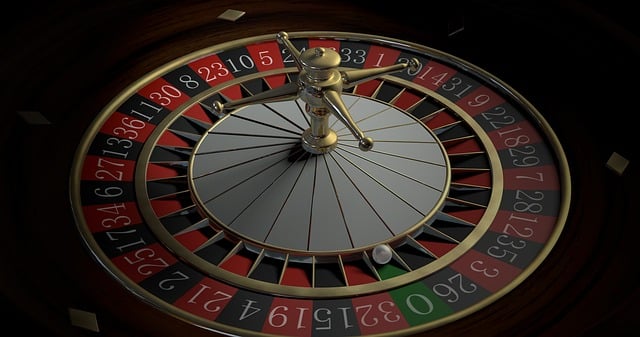
Roulette variants look nearly identical at a glance, yet the quantity of green pockets is the single greatest divider. European roulette with a single zero features a 2.70% house edge on straight-up bets. French roulette, which I eagerly seek, retains that same wheel but adds the “la partage” rule, returning half your even-money bet when the ball falls in zero, cutting the edge to 1.35% for those outside bets. American roulette, with its double zero slot, raises the edge to 5.26%, nearly doubling the price of every spin. I am always surprised how many UK platforms still feature American wheels front and centre.
At Bacanaplay I see multiple roulette versions, and I gravitate towards the French tables whenever they are available. Auto-roulette titles accelerate spin cycles by eliminating the dealer pause, which boosts the hourly theoretical loss in the same way fast blackjack works, so I adjust unit size accordingly. Mini-roulette, which sometimes shows up in arcade sections, narrows the wheel to thirteen pockets but often offers 11:1 on straight-up numbers, resulting in a steep house edge around 7.69%. It seems cute but drains a roll quickly. Always examine the paytable before you play.
Live dealer variants have expanded the roulette universe further. Immersive roulette introduces slow-motion ball-drop replays and multiple camera angles but keeps a standard single-zero wheel. Lightning Roulette overlays random multipliers of up to 500x on selected straight-up numbers and awards 30:1 for non-multiplied wins, which pushes the edge closer to 2.8% even with the multipliers. I estimate that the expected value shifts only marginally for straight-up play, turning it a cosmetic upgrade rather than a math-friendly alternative to French roulette. Compare the paytable, not just the branding.
Blackjack Variants: Rule Tweaks That Alter the Casino Advantage More Than You Expect
Most blackjack variants on a UK platform like Bacanaplay carry the same name but conceal materially different rules. The baseline I look for is whether the dealer stands or draws on a soft 17. A stand-on-soft-17 rule decreases the house edge by roughly 0.22% compared with hit-on-soft-17, all else equal. Next, the ability to double after splitting and the number of re-splits permitted change the maths further, as does whether you can double on any two cards or only on hard totals. When I access a table labelled “European Blackjack,” I expect no hole card, which affects doubling decisions when the dealer gets a blackjack after you have already doubled, costing more than the Atlantic City variant where the dealer peeks.
A good example of how quickly the odds turn is the inclusion of a “perfect pairs” side bet. The core game might feature a house edge of only 0.45% under English-friendly rules, yet the side bet often hands the house over 5%, diluting your combined expected return if you use it routinely. I treat side bets as optional tax, and I see many players on Bacanaplay use them without reassessing the total action. Multi-hand variants allow you to play three hands simultaneously, which ramps through bankroll faster if you do not downsize each stake proportionally. The table limits also vary: single-hand tables often begin at £1, while multi-hand can require £5 per spot.
Beyond the headline rules, small print around splitting aces (can you draw one card or multiple?), late surrender availability, and blackjack payout ratios (3:2 versus a thief’s 6:5) are the real comparators. I never touch a 6:5 payout game because the house edge increases from a friendly sub-0.5% to nearly 2%, an almost fourfold increase. When I browse Bacanaplay’s lobby I filter for 3:2 tables first, then examine the rule panel before placing a chip. This checklist habit safeguards my returns far more than any bonus hunt.
- Dealer stands on soft 17: reduces house edge by roughly 0.22%.
- Double after split allowed: cuts edge by about 0.14%.
- Re-split aces permitted: rare but lowers edge further.
- Blackjack pays 3:2 instead of 6:5: retains roughly 1.3% edge.
RNG Compared to Live Dealer: The Way Pacing and House Edge Vary
RNG table games run on a software algorithm that never pauses for chip placement or dealer chatter. That means a hand of RNG blackjack can be played in under fifteen seconds, which works for players who want to go through hundreds of hands an hour and use basic strategy without distraction. At Bacanaplay you will find both RNG and live dealer lobbies, and the acceleration alone changes expected loss per hour even when the house edge is identical on paper. Because you finish more rounds in the same window, your theoretical loss increases unless you modify your bet sizing accordingly.
Live dealer variants trade speed for ritual and transparency. A human croupier manages the game from a studio, real cards are drawn, and camera feeds record every motion, which reduces any lingering concern about software fairness. The pace is slower, punctuated by commentary and player chat, so my hourly bankroll exposure is likely to drop when I switch from RNG to a live table. The house edge on the core bet is usually the same as its RNG sibling, but minimum bets are routinely higher on live games, often starting at £1 or £5 whereas RNG versions on Bacanaplay permit stakes from £0.10. That floor alters how you can allocate your session budget.
Latency and interface layout also are different. RNG tables display a clean, instantaneous grid; live streams rely on your connection to avoid frame drops. I find the social aspect of live dealer variants can obscure how much I am wagering per hour, because the wait between hands feels substantial. Comparing the two is about a trade-off between session volume and trust in the dealing process, and both are side by side inside Bacanaplay’s casino tab so you can switch with one click.
Poker-oriented Table Games: Caribbean Stud, Three Card Poker and Ultimate Texas Hold’em
Caribbean Stud matches you with the dealer with a mandatory ante and an optional progressive side bet. The house edge stands at approximately 5.2% when using optimal strategy, largely because the dealer needs an ace-king or better to qualify, otherwise you only push on the ante and lose your raise. Three Card Poker offers a pair plus side bet that pays regardless of the dealer’s hand, but the main play bet carries roughly a 3.37% edge. I find that players on Bacanaplay often misjudge the pair plus because the paytables look juicy; however, the house edge on that bet alone can exceed 7% depending on the specific table.
Ultimate Texas Hold’em connects closer to the community-card poker most people recognise, with a mandatory blind and ante, plus optional Trips bonus bet. The optimal strategy reduces the house edge to about 2.2% on the ante, but deviating from the correct raise-fold decisions pushes the loss rate much higher. Many players check the flop and then fold far too often, giving the dealer an even bigger edge. The variant therefore favors disciplined study. Across Bacanaplay’s lobby I see different paytables for the Trips side bet, so I always open the info tab to compare the flush and full house payouts before sitting down.
A secondary variant, Casino Hold’em, demands you to make a call bet after the flop, and the house edge stands near 2.16% with optimal strategy. It plays faster than Ultimate because there is one fewer decision point. When I want a slower, more controlled risk curve I stick with Ultimate Texas Hold’em; when I want quicker rounds and a simpler decision tree I pick Casino Hold’em. None of these games are slots substitutes, so I remind myself that the ante-bet unit must be small enough to survive the dry streaks that the house edge mathematically guarantees.
Payout Speed and Payment Methods: Why It’s Important When Assessing Table Game Sessions
The pace of a table game session shifts noticeably when withdrawal processing is fast. E-wallets like PayPal, Skrill and Neteller usually process cashouts within a few hours to one business day at UK-licensed platforms, whereas debit card withdrawals often take one to three working days and bank transfers can run to three to five. If I engage in multiple short table sessions and want fast access to winnings, I load my account with an e-wallet. On Bacanaplay I see a typical UK cashier setup that includes Visa, Mastercard, PayPal and bank transfer, and I verify current processing times in https://bleacherreport.com/articles/10048667-us-open-tennis-2022-updated-prize-money-payouts-for-men-womens-winners the site’s FAQ.
Deposit speed is just as relevant. Table game variants often have dynamic market limits that shift throughout the day on live tables, so a fast deposit via Apple Pay or instant bank transfer lets me secure a seat before the table fills. I hold https://en.wikipedia.org/wiki/Edwin_Castro_(lottery_winner) a small float loaded via an instant method for that reason. Withdrawal fees are another small but real cost: while many UK sites forgo them, some impose for bank wire, which can eat a percent or two of your net profit. I verify the cashier page on Bacanaplay to see if any method carries a surcharge.
Currency support rounds out the banking picture. UK players should see GBP as the default, which prevents conversion fees. When I check cashout routes, I record the time from pending to processed, because a casino that conducts quick internal review on table game winnings suggests a smoother overall operation. The connection to variant choice is simple: quicker payouts mean I can reallocate capital to a different table variant, say, moving from blackjack to baccarat, without days of dead float.
- E-wallets: typically under 24 hours after approval.
- Debit cards: 1–3 business days.
- Bank transfer: 3–5 business days, possible fees.
- Instant bank / Apple Pay: instant deposits, withdrawal not always available.
Mobile-Friendly Design: How Touch Controls and Screen Size Influence Title Selection
Evaluating table game variants on a mobile requires you to weigh interface design as much as rules. RNG tables often show a streamlined felt with large chip denominations that work well on a 6-inch screen, whereas live dealer tables demand a steady landscape view and a reliable data connection. At Bacanaplay I find that the mobile site supports both categories without requiring a dedicated app, and the HTML5 layout reflows chip stacks and bet buttons efficiently. Portrait mode on some live dealer titles has improved recently, yet I still prefer landscape for multi-hand blackjack or complex poker-style variants where the decision buttons crowd the screen.
Touch controls also alter the pace of play. Dragging chips onto a bet spot is satisfying but slower than tapping preset amounts on an RNG blackjack app, which might be a underlying benefit because it decreases hands per minute and tightens hourly loss. I test how quick the double-down and split buttons feel, because a delay could cause a mis-click that affects the session outcome. On Bacanaplay the mobile lobby allows me filter table games by provider, so I can readily find a variant whose mobile interface I have already optimized to my preferences.
Device compatibility covers to older iOS and Android versions, and I advise closing background apps to maintain the live stream stable. Live dealer variants with chat functions use more battery, so I often change to an RNG blackjack or roulette variant for longer couch sessions. The variety of mobile-ready tables inside Bacanaplay guarantees I never have to settle for a variant whose controls hinder me; if the bet placement feels clunky on one title, I simply launch another that has the same core rules but better touch ergonomics.
